
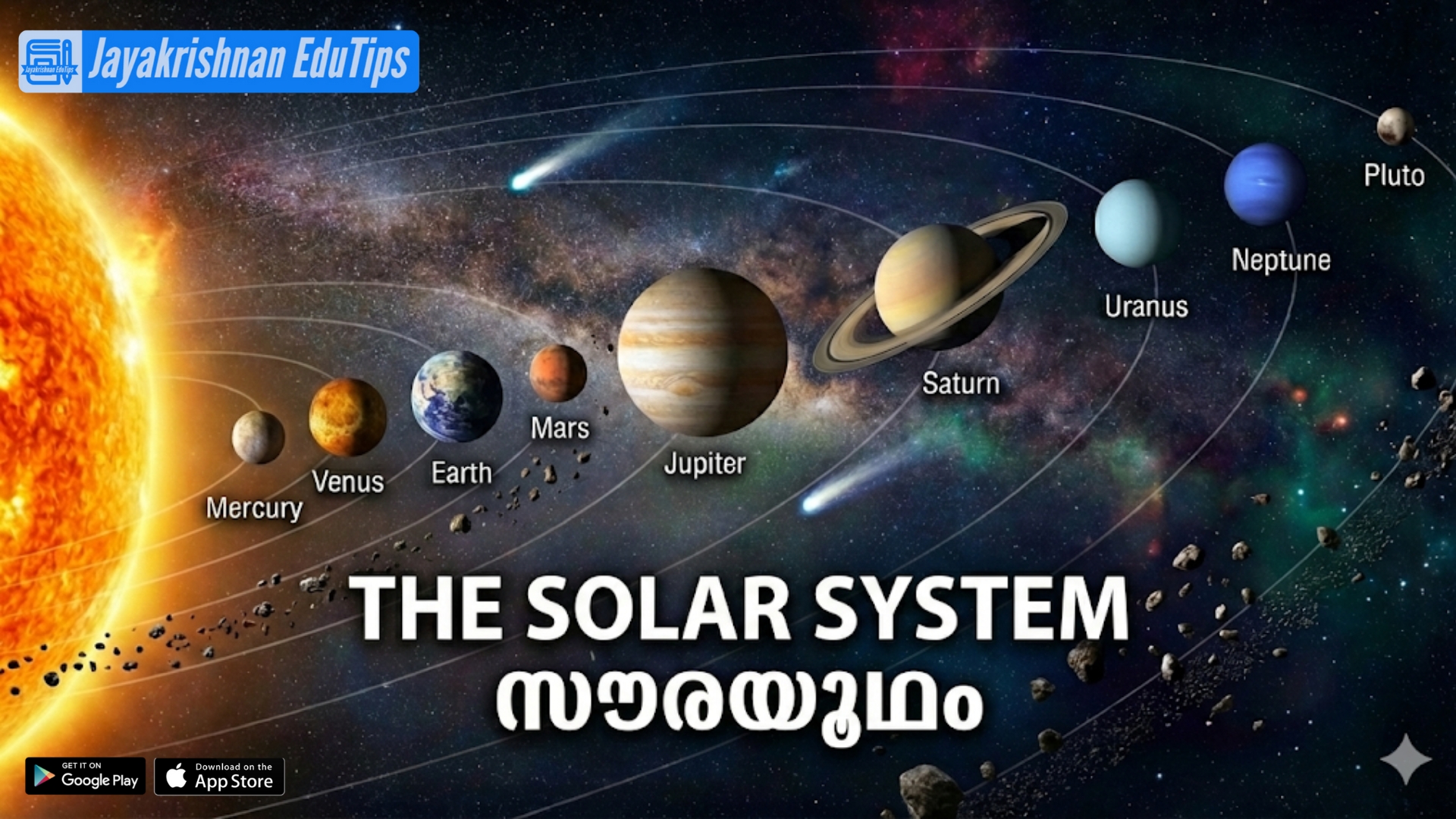
The Solar System (സൗരയൂഥം)
Click here to download our app for more Study notes and free mock tests
1. Introduction (ആമുഖം)
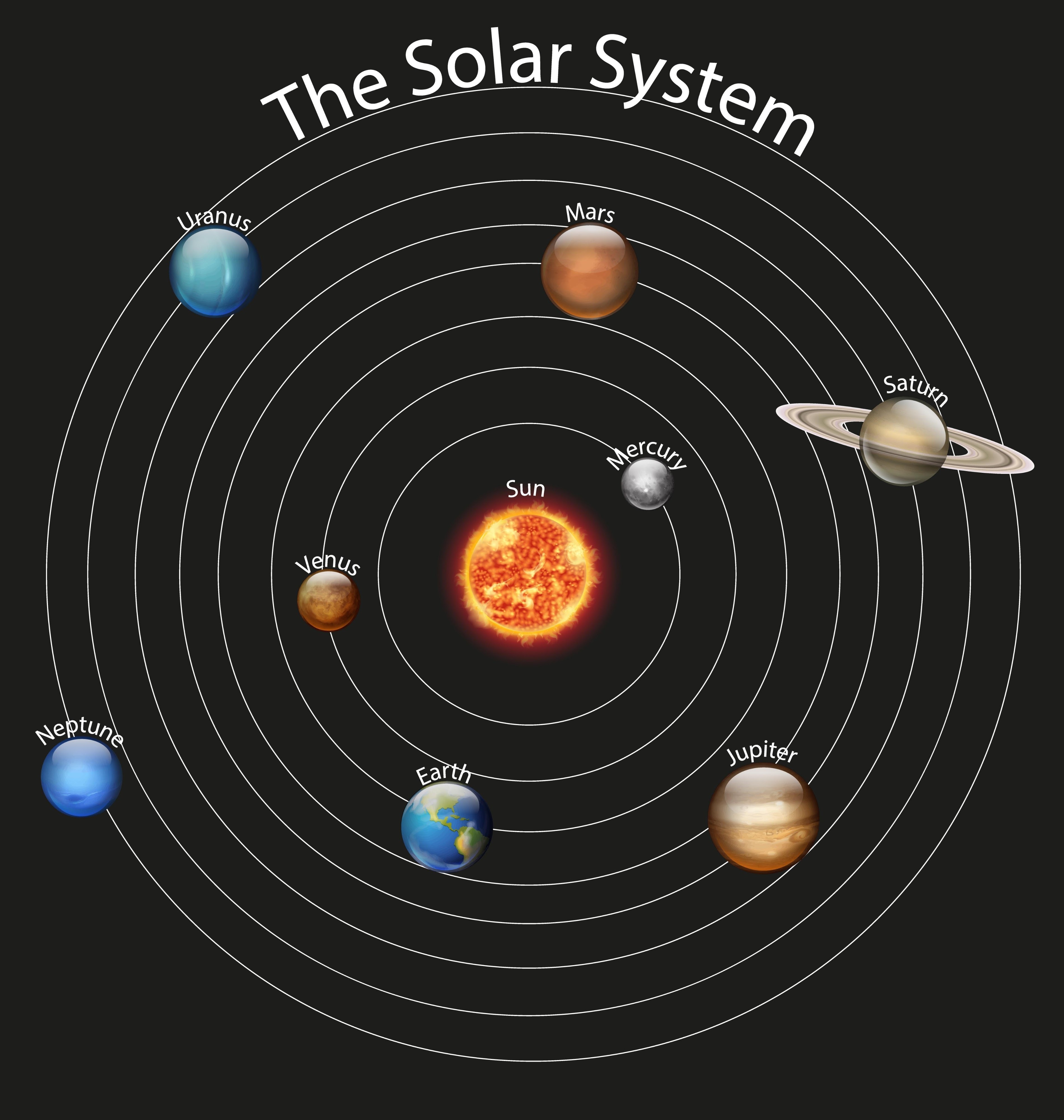
The Solar System consists of the Sun (a star) and everything that orbits around it, including eight planets, their moons, dwarf planets, asteroids, comets, and meteoroids. It is located in the Milky Way Galaxy (Akashaganga). The Solar System formed approximately 4.6 billion years ago from the gravitational collapse of a giant interstellar molecular cloud.
സൂര്യനും അതിനെ വലംവെക്കുന്ന എട്ട് ഗ്രഹങ്ങൾ, അവയുടെ ഉപഗ്രഹങ്ങൾ, കുള്ളൻ ഗ്രഹങ്ങൾ, ഛിന്നഗ്രഹങ്ങൾ, ധൂമകേതുക്കൾ, ഉൽക്കകൾ എന്നിവയടങ്ങുന്നതാണ് സൗരയൂഥം. ഇത് ആകാശഗംഗ (Milky Way) എന്ന ഗാലക്സിയിലാണ് സ്ഥിതി ചെയ്യുന്നത്. ഭീമാകാരമായ ഒരു നക്ഷത്രാന്തര മേഘത്തിന്റെ (Interstellar molecular cloud) ഗുരുത്വാകർഷണ തകർച്ചയിൽ നിന്ന് ഏകദേശം 460 കോടി (4.6 billion) വർഷങ്ങൾക്ക് മുമ്പാണ് സൗരയൂഥം രൂപപ്പെട്ടത്.
Geocentric Theory (ഭൗമകേന്ദ്ര സിദ്ധാന്തം): Proposed by Ptolemy in 140 AD. It stated that the Earth is the center of the universe.
ടോളമിയാണ് ഭൗമകേന്ദ്ര സിദ്ധാന്തം (140 AD) ആവിഷ്കരിച്ചത്. ഭൂമിയാണ് പ്രപഞ്ചത്തിന്റെ കേന്ദ്രം എന്ന് ഈ സിദ്ധാന്തം പറയുന്നു.
Heliocentric Theory (സൗരകേന്ദ്ര സിദ്ധാന്തം): Proposed by Nicolaus Copernicus in 1543. It proved that the Sun is the center of the Solar System.
നിക്കോളാസ് കോപ്പർനിക്കസ് ആണ് സൗരകേന്ദ്ര സിദ്ധാന്തം (1543) ആവിഷ്കരിച്ചത്. സൂര്യനാണ് സൗരയൂഥത്തിന്റെ കേന്ദ്രം എന്ന് അദ്ദേഹം തെളിയിച്ചു.
Planetary Laws (ഗ്രഹചലന നിയമങ്ങൾ): Discovered by Johannes Kepler.
ജോഹന്നസ് കെപ്ലർ ആണ് ഗ്രഹചലന നിയമങ്ങൾ കണ്ടുപിടിച്ചത്.
2. The Sun (സൂര്യൻ)
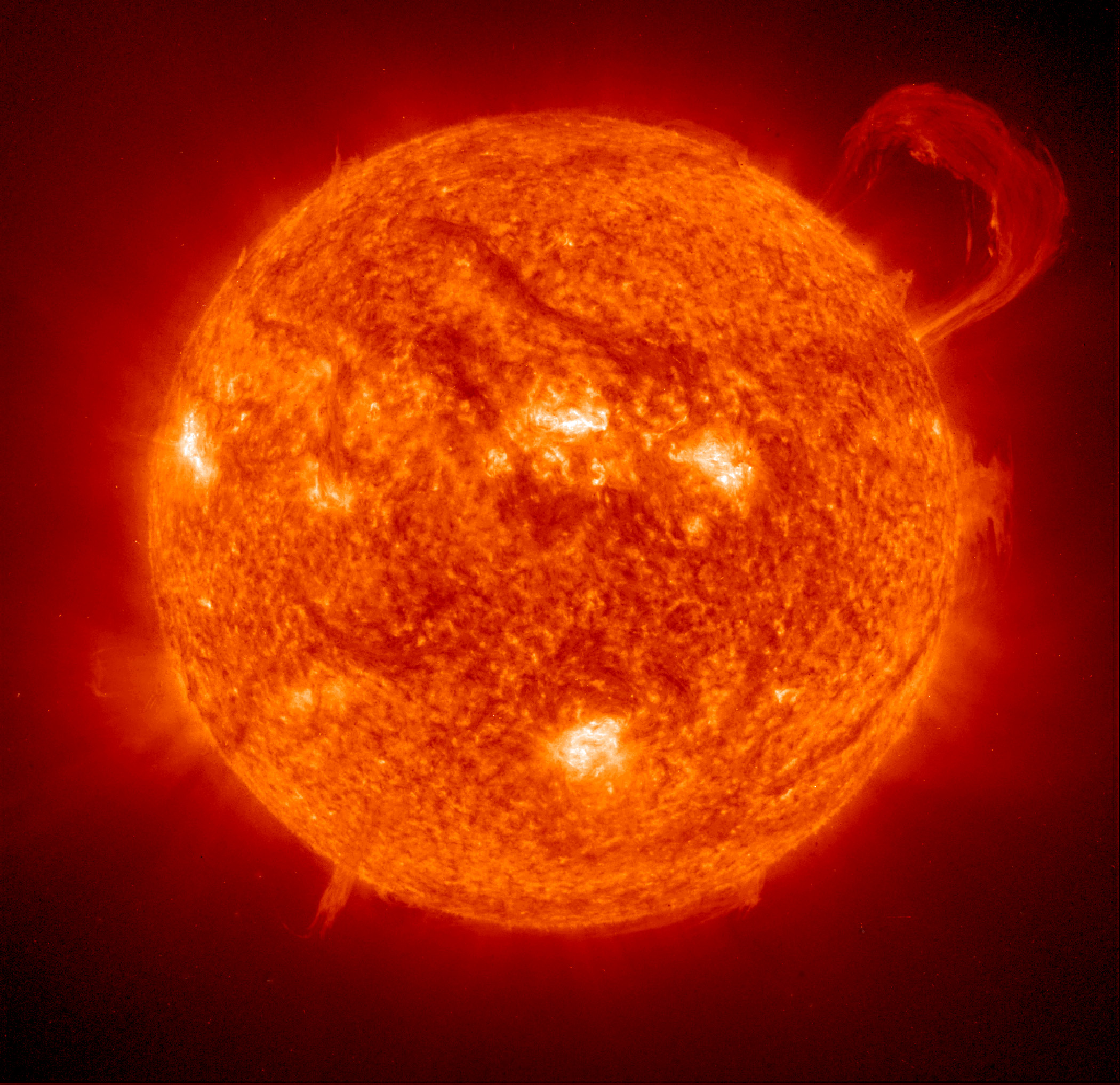
The Sun is the star at the center of the Solar System. It is a nearly perfect sphere of hot plasma. It accounts for 99.86% of the total mass of the Solar System.
സൗരയൂഥത്തിന്റെ കേന്ദ്രത്തിലുള്ള നക്ഷത്രമാണ് സൂര്യൻ. സൗരയൂഥത്തിലെ ആകെ പിണ്ഡത്തിന്റെ 99.86% വും സൂര്യനിലാണ് അടങ്ങിയിരിക്കുന്നത്.
- Distance from Earth: Average distance is 149.6 million km (1 Astronomical Unit). Light takes about 8 minutes and 20 seconds (approx 500 seconds) to reach Earth.
ഭൂമിയിൽ നിന്നുള്ള ശരാശരി ദൂരം 149.6 ദശലക്ഷം കിലോമീറ്ററാണ് (ഒരു അസ്ട്രോണമിക്കൽ യൂണിറ്റ്). സൂര്യപ്രകാശം ഭൂമിയിലെത്താൻ ഏകദേശം 8 മിനിറ്റും 20 സെക്കൻഡും (ഏകദേശം 500 സെക്കൻഡ്) എടുക്കുന്നു.
- Composition: Mainly Hydrogen (approx 73%) and Helium (approx 25%).
ഘടകങ്ങൾ: പ്രധാനമായും ഹൈഡ്രജൻ (ഏകദേശം 73%), ഹീലിയം (ഏകദേശം 25%) എന്നിവയാണ്.
- Energy Source: Nuclear Fusion (Hydrogen nuclei fuse to form Helium).
ഊർജ്ജ സ്രോതസ്സ്: ന്യൂക്ലിയർ ഫ്യൂഷൻ (ഹൈഡ്രജൻ ന്യൂക്ലിയസുകൾ സംയോജിച്ച് ഹീലിയം ഉണ്ടാകുന്ന പ്രക്രിയ).
- Surface Temperature: The temperature of the Photosphere (visible surface) is about 6000°C. The core temperature is about 15 million°C.
ഉപരിതല താപനില: ഫോട്ടോസ്ഫിയർ (നമുക്ക് കാണാൻ കഴിയുന്ന ഭാഗം) ന്റെ താപനില ഏകദേശം 6000°C ആണ്. എന്നാൽ കാമ്പിന്റെ (Core) താപനില 1.5 കോടി ഡിഗ്രി സെൽഷ്യസാണ്.
- Corona: The outermost layer of the Sun's atmosphere, visible during a total solar eclipse.
കൊറോണ: സൂര്യന്റെ അന്തരീക്ഷത്തിന്റെ ഏറ്റവും പുറമെയുള്ള പാളിയാണിത്, പൂർണ്ണ സൂര്യഗ്രഹണ സമയത്ത് ഇത് ദൃശ്യമാകുന്നു.
3. The Planets (ഗ്രഹങ്ങൾ)
There are 8 planets in the Solar System. The International Astronomical Union (IAU) reclassified Pluto as a "Dwarf Planet" in 2006. Planets reflect the light of the Sun and do not have their own light. They revolve around the Sun in elliptical orbits.
സൗരയൂഥത്തിൽ 8 ഗ്രഹങ്ങളാണുള്ളത്. 2006-ൽ ഇന്റർനാഷണൽ അസ്ട്രോണമിക്കൽ യൂണിയൻ (IAU) പ്ലൂട്ടോയെ "കുള്ളൻ ഗ്രഹം" (Dwarf Planet) ആയി തരംതാഴ്ത്തി. ഗ്രഹങ്ങൾക്ക് സ്വന്തമായി പ്രകാശമില്ല, അവ സൂര്യപ്രകാശം പ്രതിഫലിപ്പിക്കുന്നു. അവ ദീർഘവൃത്താകൃതിയിലുള്ള ഭ്രമണപഥത്തിലൂടെ സൂര്യനെ വലംവെക്കുന്നു.
Classification (തരംതിരിവ്):
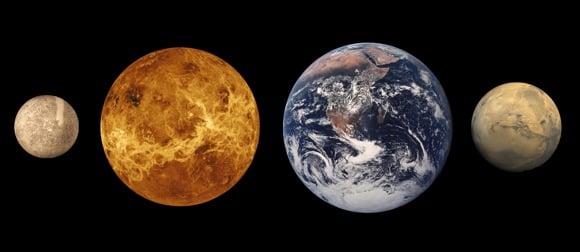
- Inner Planets (Terrestrial Planets): Mercury, Venus, Earth, Mars. They are made of rocks and metals and have high density.
ആന്തരിക ഗ്രഹങ്ങൾ (ഭൗമ സമാന ഗ്രഹങ്ങൾ): ബുധൻ, ശുക്രൻ, ഭൂമി, ചൊവ്വ. ഇവ പാറകളും ലോഹങ്ങളും കൊണ്ട് നിർമ്മിച്ചവയാണ്, ഉയർന്ന സാന്ദ്രത ഉള്ളവയുമാണ്.
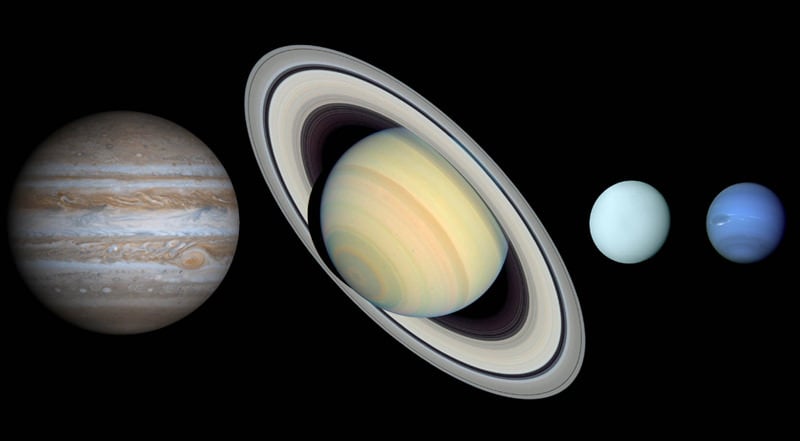
- Outer Planets (Jovian Planets/Gas Giants): Jupiter, Saturn, Uranus, Neptune. They are large and composed mostly of gases like Hydrogen and Helium.
ബാഹ്യ ഗ്രഹങ്ങൾ (വാതക ഭീമന്മാർ): വ്യാഴം, ശനി, യുറാനസ്, നെപ്റ്റ്യൂൺ. ഇവ വലിപ്പമേറിയതും പ്രധാനമായും ഹൈഡ്രജൻ, ഹീലിയം തുടങ്ങിയ വാതകങ്ങൾ നിറഞ്ഞതുമാണ്.
4. Detailed Study of Planets (ഗ്രഹങ്ങളെക്കുറിച്ചുള്ള വിശദമായ പഠനം)
A. Mercury (ബുധൻ)
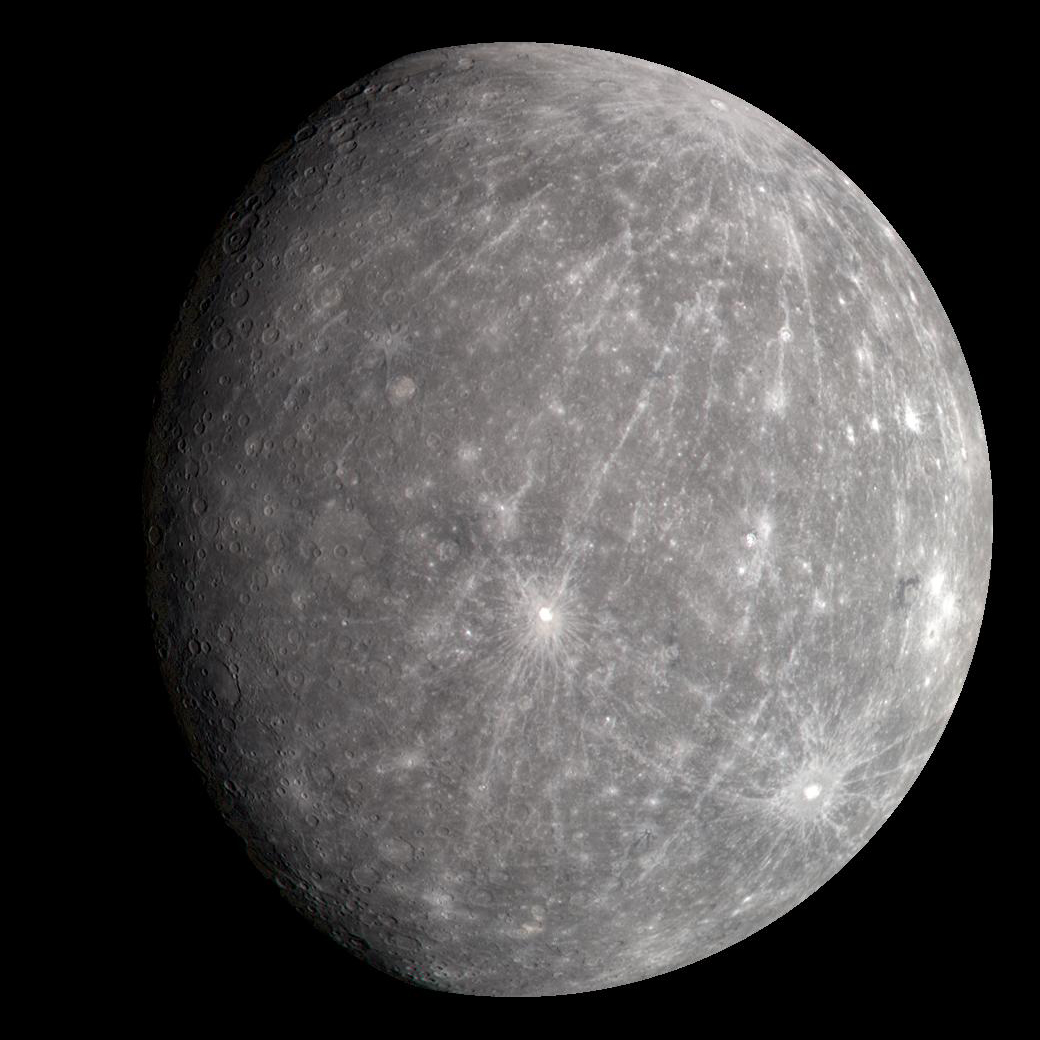
- Closest to the Sun and the smallest planet.
സൂര്യനോട് ഏറ്റവും അടുത്തതും ഏറ്റവും ചെറിയതുമായ ഗ്രഹം.
- Fastest Revolution: It takes only 88 days to orbit the Sun.
ഏറ്റവും വേഗത്തിൽ സൂര്യനെ വലംവെക്കുന്നു: സൂര്യനെ ചുറ്റാൻ വെറും 88 ദിവസമേ എടുക്കൂ.
- It has no atmosphere and no satellites (moons).
ഇതിന് അന്തരീക്ഷമോ ഉപഗ്രഹങ്ങളോ ഇല്ല.
- Extreme temperature variations (very hot days, very cold nights).
കടുത്ത താപനില വ്യത്യാസങ്ങൾ അനുഭവപ്പെടുന്നു (പകൽ കൊടും ചൂടും രാത്രി കൊടും തണുപ്പും).
B. Venus (ശുക്രൻ)

- Hottest Planet: Due to a thick atmosphere of Carbon dioxide (CO₂) creating a greenhouse effect. Temperature reaches around 465°C.
ഏറ്റവും ചൂടേറിയ ഗ്രഹം: കാർബൺ ഡൈ ഓക്സൈഡ് (CO₂) നിറഞ്ഞ സാന്ദ്രമായ അന്തരീക്ഷം കാരണം ഇവിടെ ഹരിതഗൃഹ പ്രഭാവം (Greenhouse effect) ശക്തമാണ്.
- Brightest Planet: Known as the "Morning Star" and "Evening Star".
ഏറ്റവും തിളക്കമുള്ള ഗ്രഹം: "പ്രഭാത നക്ഷത്രം", "സായാഹ്ന നക്ഷത്രം" എന്നീ പേരുകളിൽ അറിയപ്പെടുന്നു.
- Earth's Twin: Similar in size and mass to Earth.
ഭൂമിയുടെ ഇരട്ട: വലിപ്പത്തിലും പിണ്ഡത്തിലും ഭൂമിയോട് സാമ്യമുള്ളതിനാൽ ഈ പേരിൽ അറിയപ്പെടുന്നു.
- Retrograde Rotation: Rotates from East to West (clockwise), unlike most other planets.
കിഴക്കുനിന്ന് പടിഞ്ഞാറോട്ട് (ഘടികാരദിശയിൽ) ഭ്രമണം ചെയ്യുന്ന ഗ്രഹമാണിത്.
- It has no satellites.
ഇതിന് ഉപഗ്രഹങ്ങളില്ല.
C. Earth (ഭൂമി)
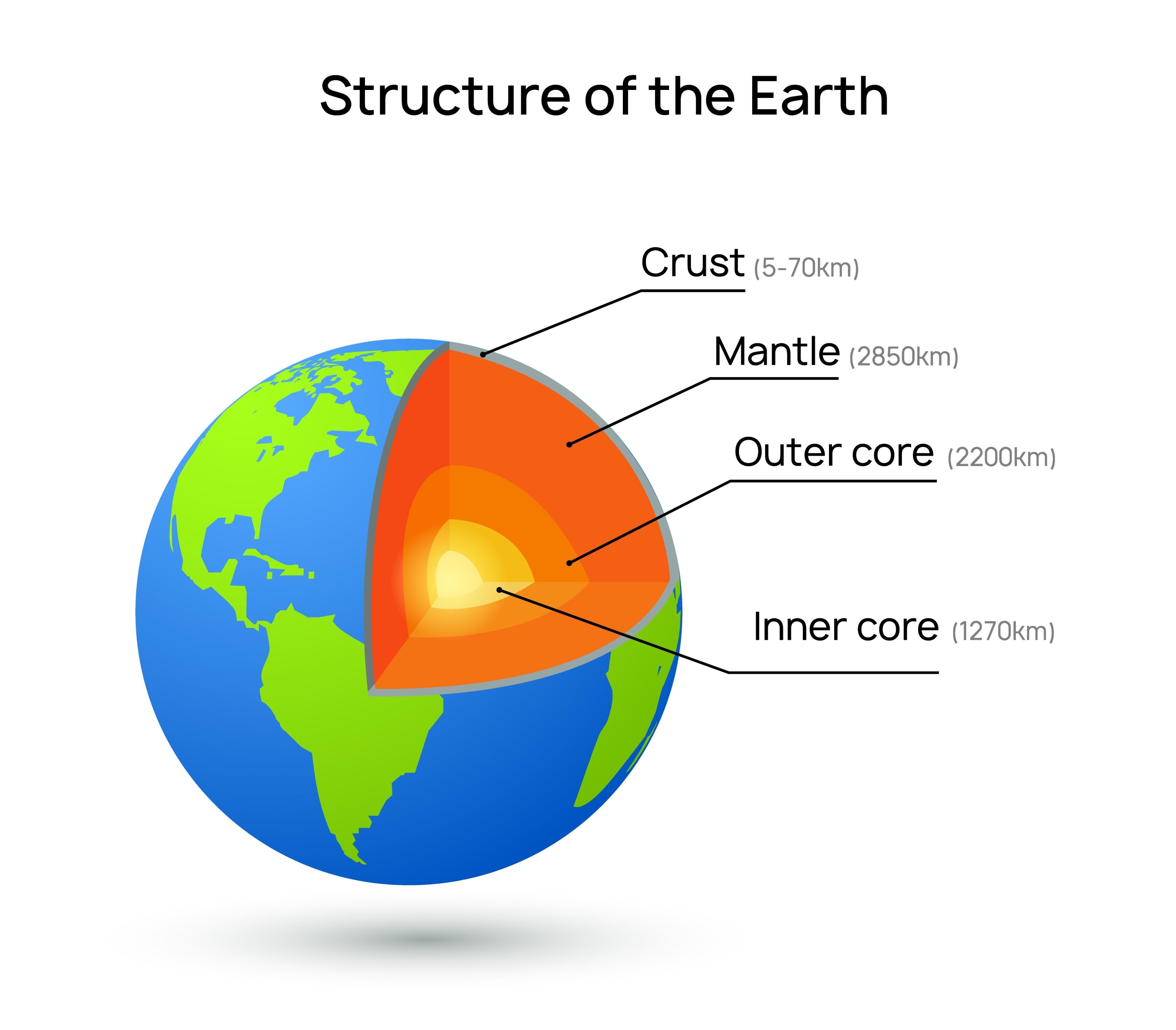
- Blue Planet: Because 71% of the surface is covered with water.
നീല ഗ്രഹം: ഉപരിതലത്തിന്റെ 71% വെള്ളത്താൽ മൂടപ്പെട്ടിരിക്കുന്നതിനാൽ ഈ പേരിൽ അറിയപ്പെടുന്നു.
- Densest Planet: Earth has the highest density among all planets.
ഏറ്റവും സാന്ദ്രത കൂടിയ ഗ്രഹം: സൗരയൂഥത്തിലെ ഗ്രഹങ്ങളിൽ ഏറ്റവും സാന്ദ്രത ഉള്ളത് ഭൂമിക്കാണ്.
- Shape: Geoid (Oblate Spheroid).
ആകൃതി: ജിയോയിഡ്.
- Rotation: West to East (takes 23 hours, 56 minutes, 4 seconds).
ഭ്രമണം: പടിഞ്ഞാറുനിന്ന് കിഴക്കോട്ട് (23 മണിക്കൂർ 56 മിനിറ്റ് 4 സെക്കൻഡ് എടുക്കുന്നു).
- Satellite: Moon (ചന്ദ്രൻ).
ഉപഗ്രഹം: ചന്ദ്രൻ.
D. Mars (ചൊവ്വ)

- Red Planet: Due to the presence of Iron Oxide (rust) in its soil.
ചുവന്ന ഗ്രഹം: മണ്ണിൽ അയൺ ഓക്സൈഡിന്റെ സാന്നിധ്യം ഉള്ളതിനാൽ ചുവന്ന നിറത്തിൽ കാണപ്പെടുന്നു.
- Satellites: Two moons - Phobos and Deimos. (Deimos is the smallest satellite in the Solar System).
ഉപഗ്രഹങ്ങൾ: ഫോബോസ്, ഡീമോസ്. (സൗരയൂഥത്തിലെ ഏറ്റവും ചെറിയ ഉപഗ്രഹമാണ് ഡീമോസ്).
- Olympus Mons: The largest volcano/mountain in the Solar System is on Mars.
ഒളിമ്പസ് മോൺസ്: സൗരയൂഥത്തിലെ ഏറ്റവും വലിയ അഗ്നിപർവ്വതം/പർവ്വതം ചൊവ്വയിലാണ്.
- India's Mars Orbiter Mission (Mangalyaan) was launched in 2013.
ഇന്ത്യയുടെ ചൊവ്വാ ദൗത്യമായ മംഗൾയാൻ 2013-ൽ വിക്ഷേപിച്ചു.
E. Jupiter (വ്യാഴം)

- Largest Planet: It is a gas giant.
ഏറ്റവും വലിയ ഗ്രഹം: ഇതൊരു വാതക ഭീമനാണ്.
- Fastest Rotation: It has the shortest day (rotates in about 9 hours 55 minutes).
ഏറ്റവും വേഗത്തിൽ ഭ്രമണം ചെയ്യുന്ന ഗ്രഹം: ഇതിന് ഏറ്റവും ചെറിയ പകൽ ദൈർഘ്യമാണുള്ളത്.
- Great Red Spot: A giant storm that has been raging for hundreds of years.
ഗ്രേറ്റ് റെഡ് സ്പോട്ട് (Great Red Spot): നൂറ്റാണ്ടുകളായി തുടരുന്ന ഭീമാകാരമായ കൊടുങ്കാറ്റാണിത്.
- Satellites: Has the most number of moons (recent counts vary, approx 95). Ganymede is the largest satellite in the Solar System.
ഉപഗ്രഹങ്ങൾ: ഏറ്റവും കൂടുതൽ ഉപഗ്രഹങ്ങളുള്ള ഗ്രഹം (ഏകദേശം 95). ഗാനിമീഡ് (Ganymede) ആണ് സൗരയൂഥത്തിലെ ഏറ്റവും വലിയ ഉപഗ്രഹം.
F. Saturn (ശനി)
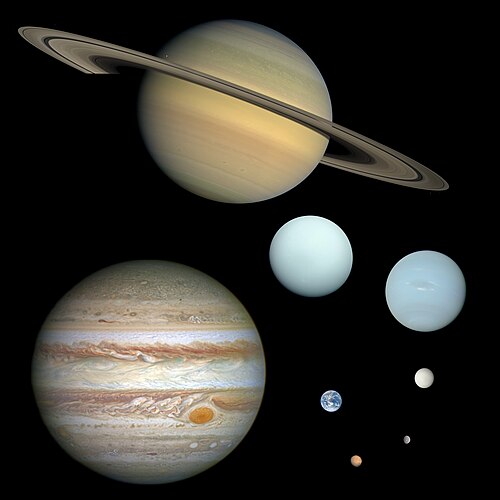
- Ringed Planet: Famous for its beautiful ring system made of ice and dust.
വളയങ്ങളുള്ള ഗ്രഹം: മഞ്ഞും പൊടിപടലങ്ങളും കൊണ്ടുണ്ടാക്കിയ മനോഹരമായ വളയങ്ങൾക്ക് പ്രശസ്തം.
- Least Dense: Its density is less than water (if placed in a giant ocean, it would float).
സാന്ദ്രത ഏറ്റവും കുറഞ്ഞ ഗ്രഹം: ഇതിന്റെ സാന്ദ്രത വെള്ളത്തേക്കാൾ കുറവാണ് (ഒരു വലിയ സമുദ്രത്തിൽ ഇട്ടാൽ ഇത് പൊങ്ങിക്കിടക്കും).
- Titan: Saturn's largest moon, which has a thick atmosphere.
ടൈറ്റൻ: ശനിയുടെ ഏറ്റവും വലിയ ഉപഗ്രഹം. ഇതിന് കട്ടിയുള്ള അന്തരീക്ഷമുണ്ട്.
G. Uranus (യുറാനസ്)

- Green Planet: Appears greenish-blue due to Methane gas in its atmosphere.
പച്ച ഗ്രഹം: അന്തരീക്ഷത്തിലെ മീഥെയ്ൻ വാതകം കാരണം പച്ച കലർന്ന നീല നിറത്തിൽ കാണപ്പെടുന്നു.
- Rolling Planet: It is tilted at an angle of 98° on its axis, so it appears to roll on its orbit.
ഉരുളുന്ന ഗ്രഹം: സ്വന്തം അച്ചുതണ്ടിൽ 98° ചെരിഞ്ഞാണ് കറങ്ങുന്നത്, അതിനാൽ ഭ്രമണപഥത്തിലൂടെ ഉരുളുന്നതായി തോന്നും.
- Discovered by William Herschel in 1781.
1781-ൽ വില്ല്യം ഹെർഷൽ ആണ് ഇത് കണ്ടെത്തിയത്.
H. Neptune (നെപ്റ്റ്യൂൺ)
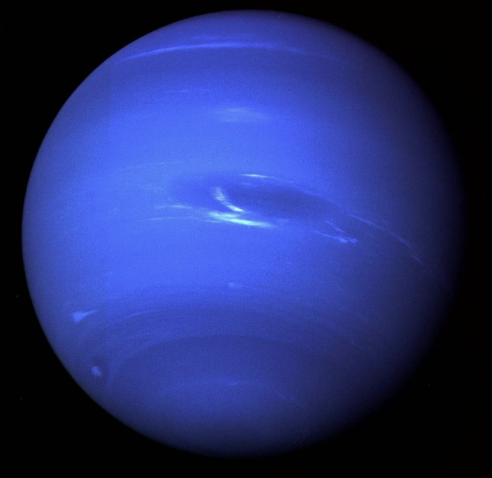
- Farthest Planet: Most distant from the Sun.
ഏറ്റവും അകലെയുള്ള ഗ്രഹം: സൂര്യനിൽ നിന്ന് ഏറ്റവും ദൂരെയള്ള ഗ്രഹം.
- Coldest and Windiest: Has the fastest winds in the Solar System.
ഏറ്റവും തണുപ്പുള്ളതും കാറ്റ് വീശുന്നതുമായ ഗ്രഹം: സൗരയൂഥത്തിൽ ഏറ്റവും വേഗതയേറിയ കാറ്റ് വീശുന്നത് ഇവിടെയാണ്.
- Triton: Largest moon of Neptune.
ട്രൈറ്റോൺ: നെപ്റ്റ്യൂണിന്റെ ഏറ്റവും വലിയ ഉപഗ്രഹം.
5. Dwarf Planets (കുള്ളൻ ഗ്രഹങ്ങൾ)
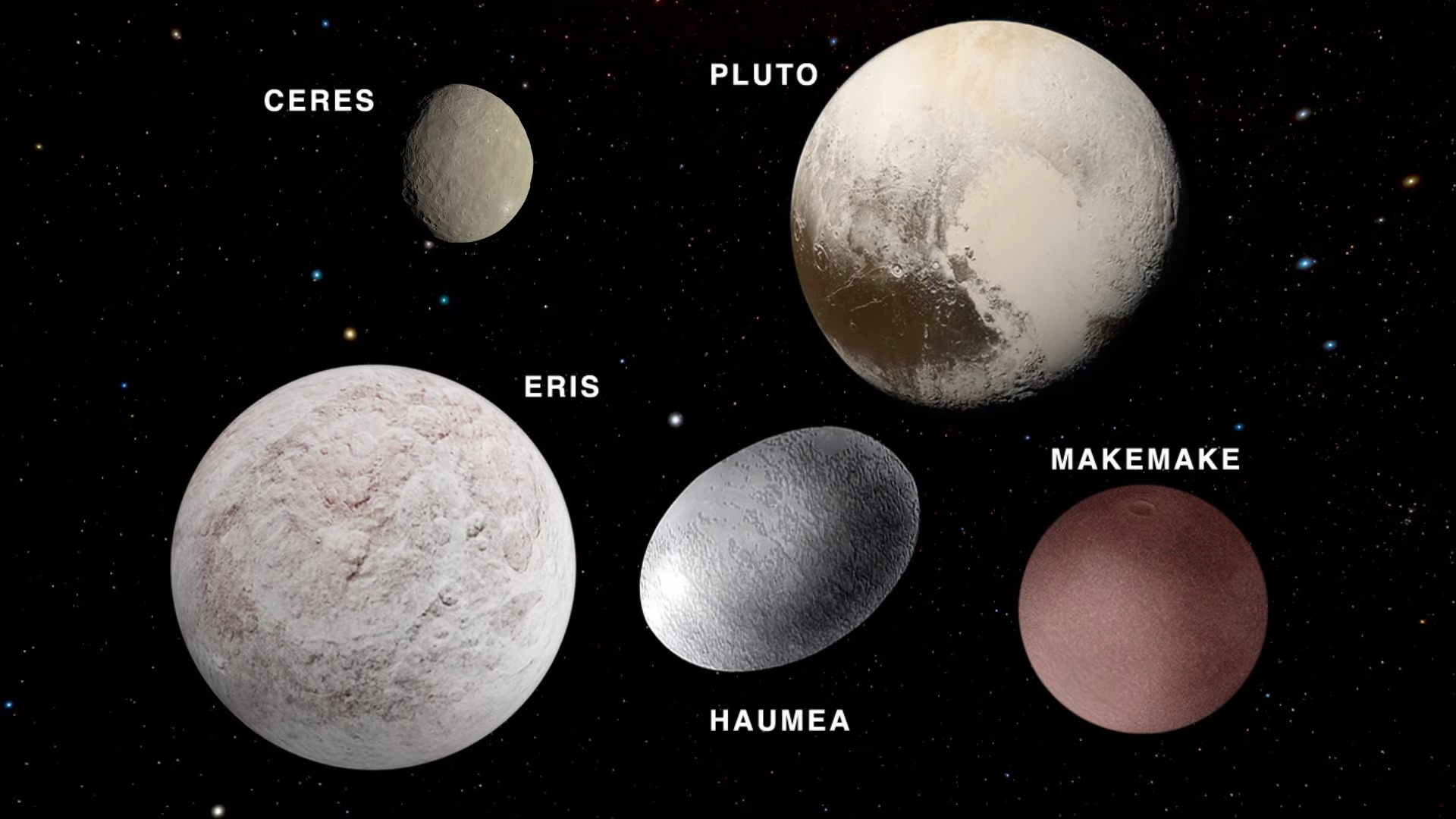
Celestial bodies that orbit the Sun and have enough mass to be spherical but have not cleared their orbital path of debris.
സൂര്യനെ വലംവെക്കുന്നതും ഗോളാകൃതി കൈവരിക്കാൻ മാത്രം പിണ്ഡമുള്ളതുമായ, എന്നാൽ സ്വന്തം ഭ്രമണപഥത്തിലെ മറ്റ് വസ്തുക്കളെ നീക്കം ചെയ്യാൻ കഴിയാത്തതുമായ ആകാശഗോളങ്ങളാണ് കുള്ളൻ ഗ്രഹങ്ങൾ.
- Examples: Pluto, Ceres (located in the asteroid belt), Eris, Makemake, Haumea.
ഉദാഹരണങ്ങൾ: പ്ലൂട്ടോ, സീറീസ് (ഛിന്നഗ്രഹ വലയത്തിൽ സ്ഥിതി ചെയ്യുന്നു), ഏരിസ്, മാകെമാകെ, ഹൗമിയ.
- Pluto: Demoted in 2006 by IAU (Prague Conference).
പ്ലൂട്ടോ: 2006-ലെ IAU സമ്മേളനത്തിൽ (പ്രാഗ് സമ്മേളനം) പ്ലൂട്ടോയെ ഗ്രഹപദവിയിൽ നിന്ന് നീക്കം ചെയ്തു.
6. The Moon (ചന്ദ്രൻ)
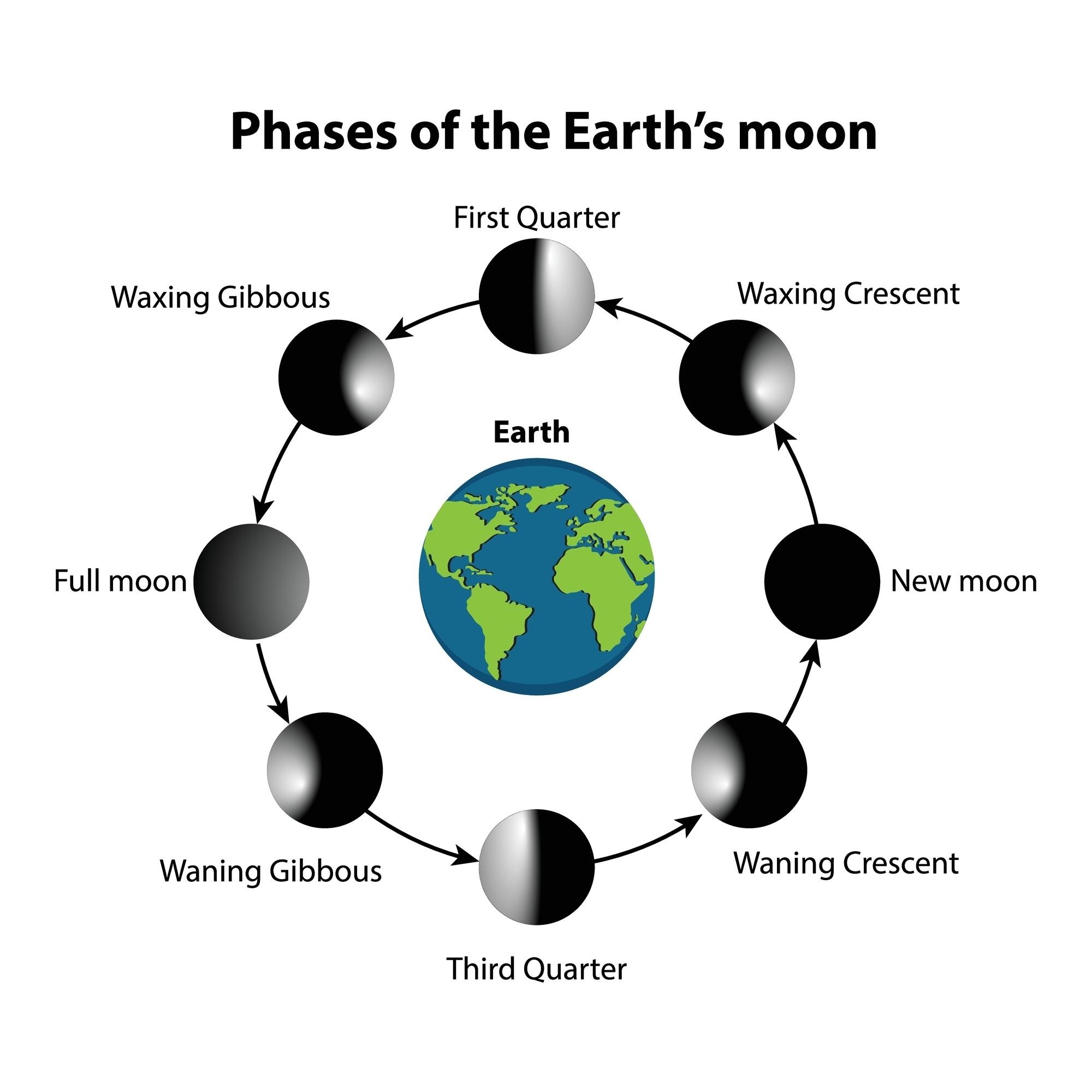
- Earth's only natural satellite.
ഭൂമിയുടെ ഒരേയൊരു പ്രകൃതിദത്ത ഉപഗ്രഹം.
- Study of Moon: Selenology.
ചന്ദ്രനെക്കുറിച്ചുള്ള പഠനം: സെലിനോളജി.
- Distance from Earth: 3,84,400 km.
ഭൂമിയിൽ നിന്നുള്ള ദൂരം: 3,84,400 കിലോമീറ്റർ.
- Rotation & Revolution: Takes same time (27.3 days). Hence, we see only one side of the Moon.
ഭ്രമണത്തിനും പരിക്രമണത്തിനും ഒരേ സമയം എടുക്കുന്നു (27.3 ദിവസം). അതിനാൽ, ചന്ദ്രന്റെ ഒരു വശം മാത്രമേ നമുക്ക് എപ്പോഴും കാണാൻ കഴിയൂ.
- No Atmosphere: Resulting in no sound transmission.
അന്തരീക്ഷമില്ല: അതിനാൽ ശബ്ദസഞ്ചാരമില്ല.
- Sea of Tranquility: The place where Neil Armstrong landed (Apollo 11, 1969).
സീ ഓഫ് ട്രാൻക്വിലിറ്റി (ശാന്തി സമുദ്രം): നീൽ ആംസ്ട്രോങ്ങ് ഇറങ്ങിയ സ്ഥലം (അപ്പോളോ 11, 1969).
7. Small Solar System Bodies (ലഘു സൗരയൂഥ വസ്തുക്കൾ)
Asteroids (ഛിന്നഗ്രഹങ്ങൾ)
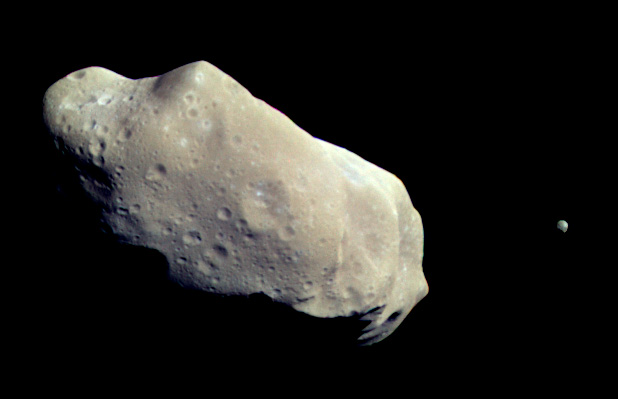
- Rocky bodies orbiting the Sun, mostly found in the Asteroid Belt between Mars and Jupiter.
സൂര്യനെ ചുറ്റുന്ന പാറക്കെട്ടുകളാണിവ. ചൊവ്വയ്ക്കും വ്യാഴത്തിനും ഇടയിലുള്ള ഛിന്നഗ്രഹ വലയത്തിലാണ് (Asteroid Belt) ഇവ കൂടുതലായും കാണപ്പെടുന്നത്.
Comets (ധൂമകേതുക്കൾ/വാൽനക്ഷത്രങ്ങൾ)
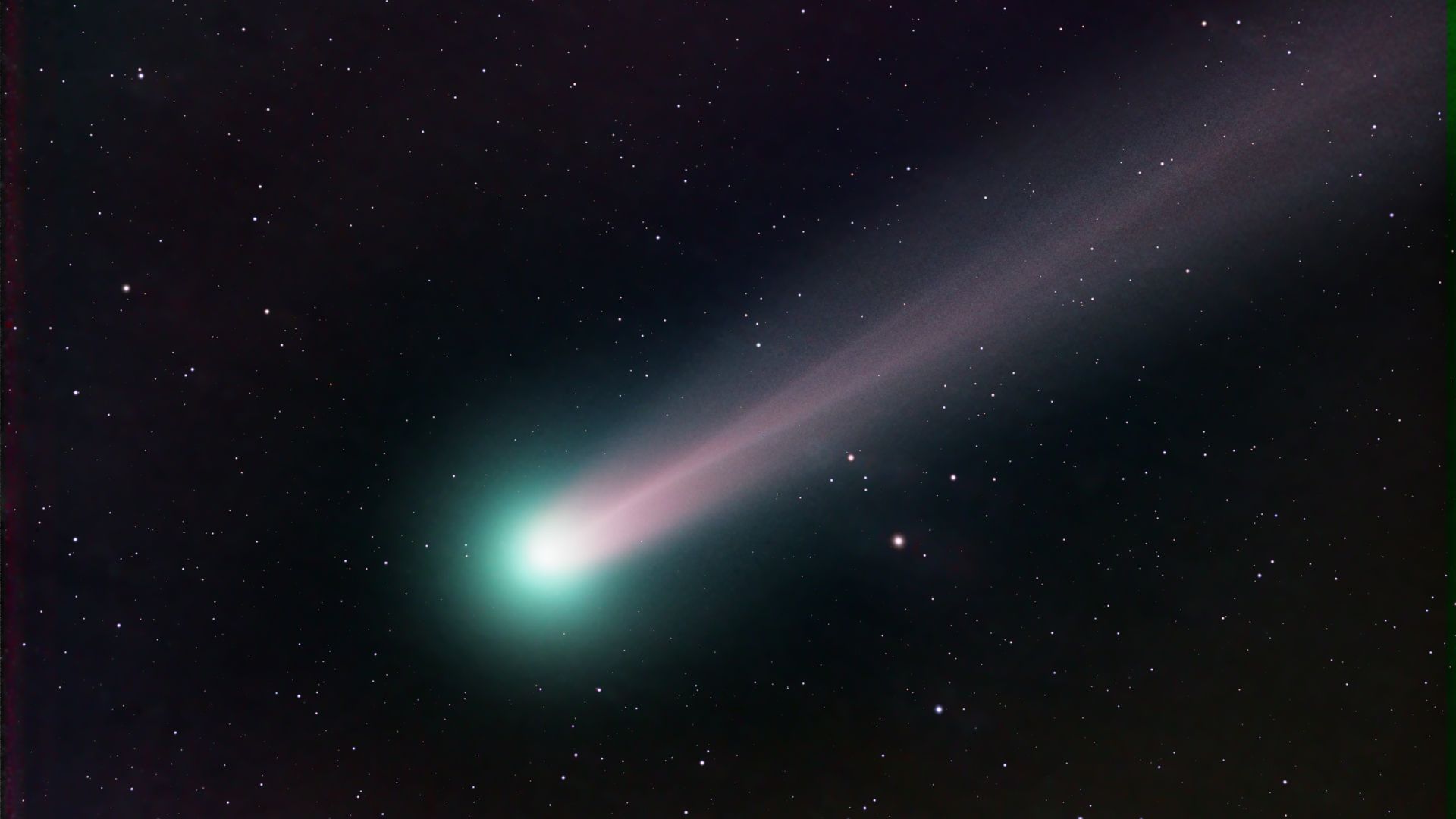
- Made of ice, dust, and gas. When close to the Sun, they develop a glowing tail pointing away from the Sun.
ഐസ്, പൊടി, വാതകങ്ങൾ എന്നിവയാൽ നിർമ്മിക്കപ്പെട്ടവ. സൂര്യനോട് അടുക്കുമ്പോൾ ഇവയ്ക്ക് തിളങ്ങുന്ന ഒരു വാൽ രൂപപ്പെടുന്നു, അത് സൂര്യന് എതിരെ ദിശയിലായിരിക്കും.
- Halley’s Comet: Visible from Earth every 75-76 years (Last seen: 1986, Next: 2061).
ഹാലിയുടെ വാൽനക്ഷത്രം: ഓരോ 75-76 വർഷത്തിലും ഭൂമിയിൽ നിന്ന് ദൃശ്യമാകുന്നു (അവസാനം കണ്ടത്: 1986, അടുത്തത്: 2061).
Meteors and Meteorites (ഉൽക്കകളും ഉൽക്കാശിലകളും)
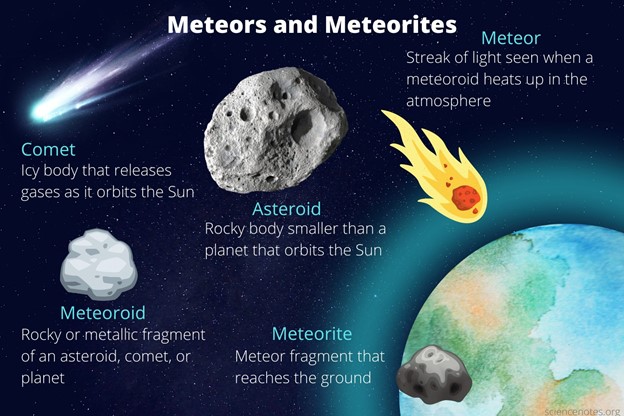
- Meteors (Shooting Stars): Space debris that burns up upon entering Earth's atmosphere due to friction.
ഉൽക്കകൾ: ഭൂമിയുടെ അന്തരീക്ഷത്തിൽ പ്രവേശിക്കുമ്പോൾ ഘർഷണം മൂലം കത്തിത്തീരുന്ന ബഹിരാകാശ വസ്തുക്കൾ.
- Meteorites: Meteors that survive the passage and hit the Earth's surface.
ഉൽക്കാശിലകൾ: പൂർണ്ണമായും കത്തിത്തീരാതെ ഭൂമിയുടെ ഉപരിതലത്തിൽ പതിക്കുന്ന ഉൽക്കകൾ.
8. Key Facts for Quick Revision (പ്രധാന വസ്തുതകൾ)
|
Fact |
English Answer |
Malayalam Answer |
|
Biggest Planet |
Jupiter |
വ്യാഴം |
|
Smallest Planet |
Mercury |
ബുധൻ |
|
Hottest Planet |
Venus |
ശുക്രൻ |
|
Coldest Planet |
Neptune |
നെപ്റ്റ്യൂൺ |
|
Red Planet |
Mars |
ചൊവ്വ |
|
Blue Planet |
Earth |
ഭൂമി |
|
Morning Star |
Venus |
ശുക്രൻ |
|
Planet with most moons |
Saturn/Jupiter (varies by updates) |
ശനി/വ്യാഴം |
|
Planet with rings |
Saturn |
ശനി |
|
Earth's Twin |
Venus |
ശുക്രൻ |